








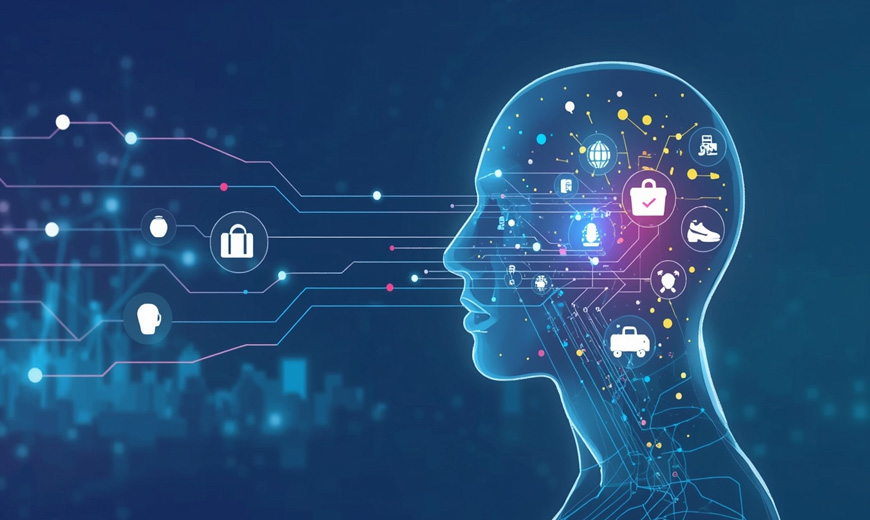
The AI Revolution: How Artificial Intelligence is Reshaping Digital Advertising
The digital advertising landscape is unrecognizable from what it was just a decade ago. Gone are the days of generic, spray-and-pray banner ads. The driving force behind this seismic shift? Artificial Intelligence. AI has moved from a futuristic concept to the core engine powering modern marketing campaigns, transforming how brands connect with consumers.
At its heart, AI excels at processing vast amounts of data at incredible speeds. This capability has supercharged every stage of the advertising funnel. Platforms like Google Ads and Meta now use machine learning to automate ad buying, a process known as programmatic advertising. AI analyzes user behavior, their searches, interests, and online activity, to place ads in front of the most relevant audience at the perfect moment, maximizing the chance of conversion.
The Pros: A Marketer's Dream
Hyper-Personalization:
AI can create dynamic ads that tailor their message, imagery, and offers to individual users. This moves beyond basic demographics to deliver a unique experience that feels personal and relevant.
Unprecedented Efficiency:AI automates tedious tasks like bid management, budget allocation, and A/B testing. This frees up marketers to focus on strategy and creative work.
Enhanced ROI:By optimizing campaigns in real-time for key metrics like clicks or conversions, AI ensures advertising budgets are spent more effectively, delivering a higher return on investment.
Predictive Analytics:AI can forecast future trends and consumer behavior, allowing brands to be proactive rather than reactive in their campaigns.
The Cons: The Flip Side of the Coin
Data Privacy Concerns:
The very data that fuels AI-powered ads is a source of major concern. Stricter regulations like GDPR and CCPA, along with growing consumer skepticism, force a delicate balance between personalization and privacy.
The "Black Box" Problem:Sometimes, it's difficult to understand exactly why an AI model makes a certain decision. This lack of transparency can be frustrating for marketers who need to explain campaign performance.
Over-Reliance on Automation:There's a risk of losing the human touch. While AI optimizes for efficiency, it may lack the nuanced understanding of cultural context and emotional storytelling that defines truly brilliant creative work.
High Barrier to Entry:Sophisticated AI tools can be expensive, potentially giving larger corporations an even greater advantage over small businesses.
The Future: What's Next?
The integration of AI is only set to deepen. We are already seeing the rise of generative AI, which can create ad copy, images, and even video content from simple text prompts. The future will likely involve:
AI-Driven Creative:Tools that not only distribute ads but also generate and test countless creative variations autonomously.
Voice and Visual Search Optimization:As interactions with devices change, AI will be crucial for optimizing ads for new search modalities.
A Focus on Ethical AI:The industry will need to develop and adhere to ethical frameworks to ensure AI is used responsibly and transparently.
Conclusion
In conclusion, AI has fundamentally rewritten the rules of digital advertising. It offers incredible power for precision and efficiency but demands a thoughtful approach to its ethical and practical implications.
The brands that will thrive are those that learn to harness AI's analytical power while retaining the human creativity that forges genuine brand connections. The future of advertising isn't just automated; it's intelligent.



Comments (02)
Linda G. Brain
26 sep 2023 at 08:30pmConubia non viverra malesuada aenean per odio magna hymenaeos, cubilia euducate class bulputate aenean laoreet nam ipsum mus neko porttitor.
ReplyLinda G. Brain
26 sep 2023 at 08:30pmConubia non viverra malesuada aenean per odio magna hymenaeos, cubilia euducate class bulputate aenean laoreet nam ipsum mus neko porttitor.
Reply