








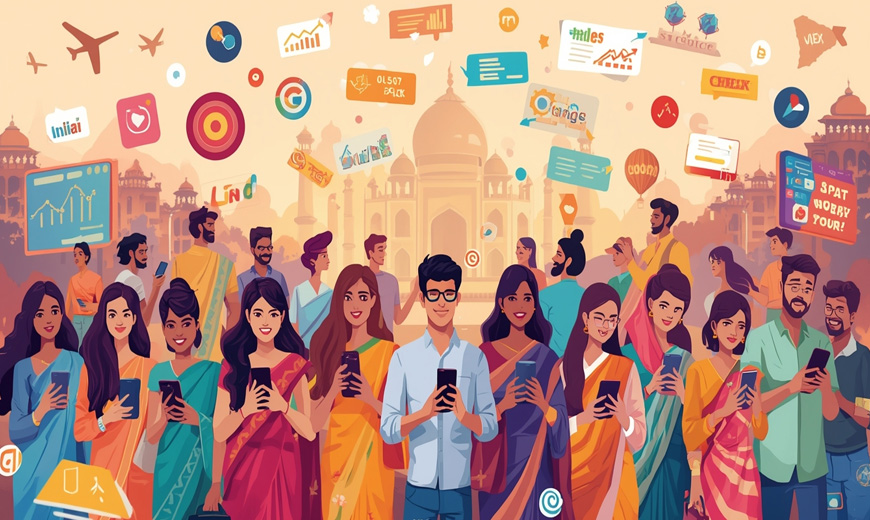
How India Has Emerged in Digital Advertising in the Last 10 Years
In the past decade, India's digital landscape has transformed dramatically. With more people coming online thanks to affordable smartphones and data plans, businesses have shifted their focus from traditional ads like TV and print to digital platforms. This change has made digital advertising one of the fastest-growing sectors in the country.
In 2024, the digital advertising market in India was valued at around $13.6 billion, and it's expected to reach $32.3 billion by 2030, growing at a compound annual growth rate (CAGR) of 15.3%. Overall, digital ads now make up about 50-60% of total ad spending in India, outpacing global trends. Let's explore how this emergence has happened, covering key areas like branding solutions, targeted advertising, and more.
The Rapid Growth of Digital Advertising
Over the last 10 years, India's digital ad market has boomed due to increased internet users now over 900 million, and the rise of e-commerce and social media. From 2015 to 2025, digital ad spending has grown at 15-20% per year, much faster than traditional media. Mobile advertising has been a big driver, as most Indians access the internet via phones. This shift has allowed companies to reach audiences in real-time, making ads more effective and affordable.
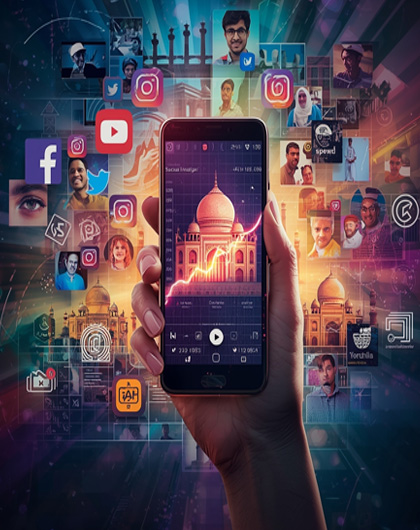
The Impact of Social Media
Social media has been a game-changer for digital advertising in India. Platforms like Facebook, Instagram, and YouTube have billions of users, with Indians spending about 3 hours a day on them. In 2023, India spent over $1 billion on social media ads alone. These platforms help brands build awareness, engage users, and drive sales. For example, short videos, memes, and influencer partnerships have become popular, leading to higher engagement rates. Social media also allows for cost-effective campaigns, where businesses pay based on results like clicks or views, boosting overall ad efficiency.
Targeted Advertising: Reaching the Right Audience
One of the biggest advantages of digital advertising is targeting. Unlike broad TV ads, digital tools let businesses show ads to specific groups based on age, location, interests, and behavior. In India, this has grown with programmatic advertising, which uses AI to buy ad space in real-time for better precision. This means higher conversion rates and less wasted spend. For instance, e-commerce giants like Flipkart use targeted ads to show products to users who have searched for similar items, improving sales.
Branding Solutions: Building Stronger Connections
Digital advertising has evolved branding in India by offering creative solutions like video ads, interactive content, and augmented reality (AR). Brands now focus on storytelling through short-form videos, which have higher engagement than static images. Platforms like Instagram Reels and YouTube Shorts help companies create viral content that builds loyalty. In the last decade, this has shifted branding from one-way messages to two-way conversations, where users can interact with brands directly.
Performance Tracking and ROI: Measuring Success
Gone are the days of guessing if an ad worked. Digital tools provide real-time performance tracking, showing metrics like clicks, views, and conversions. This helps businesses calculate return on investment (ROI) accurately. In India, with tools like Google Analytics and social media insights, companies can adjust campaigns on the fly for better results. Performance marketing agencies focus on this, ensuring every rupee spent delivers measurable outcomes, like a 300% increase in leads for the same budget in some cases.
B2C and B2B Advertising Models: Tailored Approaches
Digital advertising in India caters to both business-to-consumer (B2C) and business-to-business (B2B) models, each with unique strategies.
B2C Advertising:
This targets individual consumers with emotional, quick-decision ads. Think of e-commerce deals on social media or search ads for products like clothes or gadgets. It's about high volume and instant appeal, often using influencers and video content to drive impulse buys.
B2B Advertising:
Here, the focus is on building long-term relationships with other businesses. Ads are more informative, using LinkedIn for lead generation and content like webinars or whitepapers. In India, B2B digital marketing emphasizes SEO, email campaigns, and targeted ads to decision-makers, leading to higher-value deals.
Both models benefit from digital's flexibility, but B2B often prioritizes ROI through detailed tracking, while B2C focuses on broad reach and engagement.
Looking Ahead
India's emergence in digital advertising shows no signs of slowing. With AI, AR, and more mobile users, the future promises even more innovative ways to connect with audiences. For businesses, embracing these trends means better growth and stronger customer ties. If you're ready to take your brand digital, our team can help craft strategies that deliver real results.
Stay tuned for more insights on our blog!
Leave a reply
Recent post
Comments (02)
Linda G. Brain
26 sep 2023 at 08:30pmConubia non viverra malesuada aenean per odio magna hymenaeos, cubilia euducate class bulputate aenean laoreet nam ipsum mus neko porttitor.
ReplyLinda G. Brain
26 sep 2023 at 08:30pmConubia non viverra malesuada aenean per odio magna hymenaeos, cubilia euducate class bulputate aenean laoreet nam ipsum mus neko porttitor.
Reply